Outdoor Spaces Built for Mountain Climate Use
Deck Construction and Repair in Dillon for properties needing durable outdoor living areas or restoration of aging deck structures
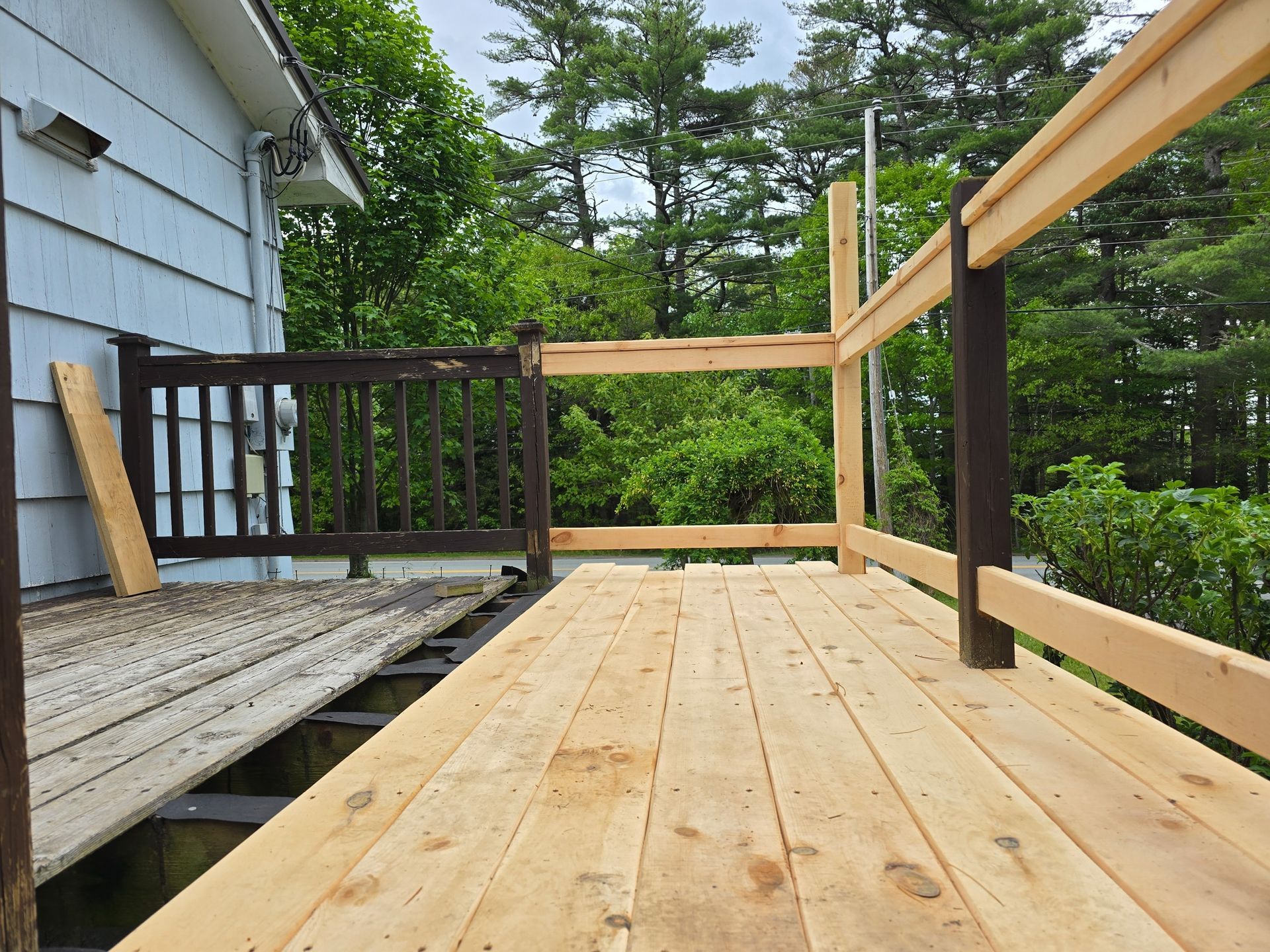
Mountain climate demands deck construction methods that account for significant temperature swings, UV exposure at elevation, and moisture from snow accumulation and rapid melt cycles. Prime-Line Fencing builds new decks with proper joist spacing, ledger attachment that prevents structural failure, and decking materials selected for long-term weather resistance in Colorado conditions. When existing decks show cracked boards, loose railings, or structural instability, repairs restore safety and functionality while extending the deck's usable life before full replacement becomes necessary.
New deck construction begins with evaluating your property's elevation changes, sun exposure, and intended use to design a structure that integrates with your home's architecture and landscape. Quality materials and proper framing techniques ensure the deck handles foot traffic, furniture weight, and snow load without excessive deflection or premature wear. Repairs address specific failure points such as rotted joists, deteriorated ledger connections, loose decking fasteners, or railing systems that no longer meet safety standards.
Schedule a consultation for deck construction or repair to review your property layout and discuss material options suited for year-round outdoor use.
What Proper Deck Construction Requires
Deck framing must be engineered for load capacity and weather exposure, with posts set on concrete footings below frost depth and beams sized to prevent sagging across the span. Ledger boards that attach the deck to the house require through-bolts and flashing to prevent water infiltration that rots both the ledger and the home's rim joist. Joist spacing determines how much decking deflects underfoot, with closer spacing providing a more solid feel and extending decking lifespan by reducing flexing that loosens fasteners over time.
After construction completes, you notice a stable surface that does not bounce or flex excessively when walked on, railings that feel solid without wobbling, and stairs that remain secure under regular use. Boards sit flat without cupping or warping, fasteners remain tight, and the deck drains properly without standing water that accelerates material decay. New decks provide immediate outdoor living space that expands your home's functional area throughout warmer months.
Deck repairs may involve replacing isolated damaged boards, reinforcing sagging joists with additional blocking, rebuilding railing sections, or applying protective coatings to slow further deterioration. The extent of repair work depends on whether structural framing remains sound or has deteriorated to the point where rebuilding sections becomes more cost-effective than piecemeal fixes.
Questions Before Starting Your Project
Homeowners planning deck projects typically want to understand material performance and construction standards before committing to design details.
What decking material lasts longest in mountain weather?
Pressure-treated lumber provides traditional wood appearance at moderate cost and lasts fifteen to twenty years with regular sealing, while composite decking resists moisture and UV damage without maintenance but costs significantly more upfront. Cedar and redwood offer natural rot resistance and attractive grain patterns but require annual treatment to maintain color and prevent weathering.
How do you prevent deck ledger failure?
Ledger boards must be through-bolted to the house structure with proper spacing and flashing installed above the ledger to direct water away from the connection point. Many deck collapses result from inadequate ledger attachment or missing flashing that allows concealed rot to develop over years.
When should I repair versus rebuild my deck?
Decks with sound framing and isolated surface damage typically benefit from targeted repairs, while decks showing widespread rot in joists, failing ledger connections, or inadequate structural design usually require rebuilding. An inspection determines whether the framing system retains sufficient integrity to support continued use with repairs.
What deck features work best for Dillon properties?
Deck designs that account for sun angles, wind exposure, and snow drainage prevent common problems such as ice dams forming along house walls or snow load exceeding structural capacity. Covered sections, built-in seating, and stair placement all affect how comfortably you can use the deck across multiple seasons.
How long does deck construction take?
Construction timelines vary from one week for simple single-level decks to three weeks for complex multi-level designs with custom features, depending on size, material availability, and weather conditions during the build. Repair projects typically complete within a few days unless extensive structural work is required.
Prime-Line Fencing customizes deck solutions to match your property's topography, your aesthetic preferences, and your budget parameters. Contact our team to arrange an on-site evaluation and discuss construction or repair options that meet your outdoor living goals.