Repairs That Restore Structural Integrity
Fence Repair in Dillon for damaged, leaning, or weathered fencing compromising property security and appearance
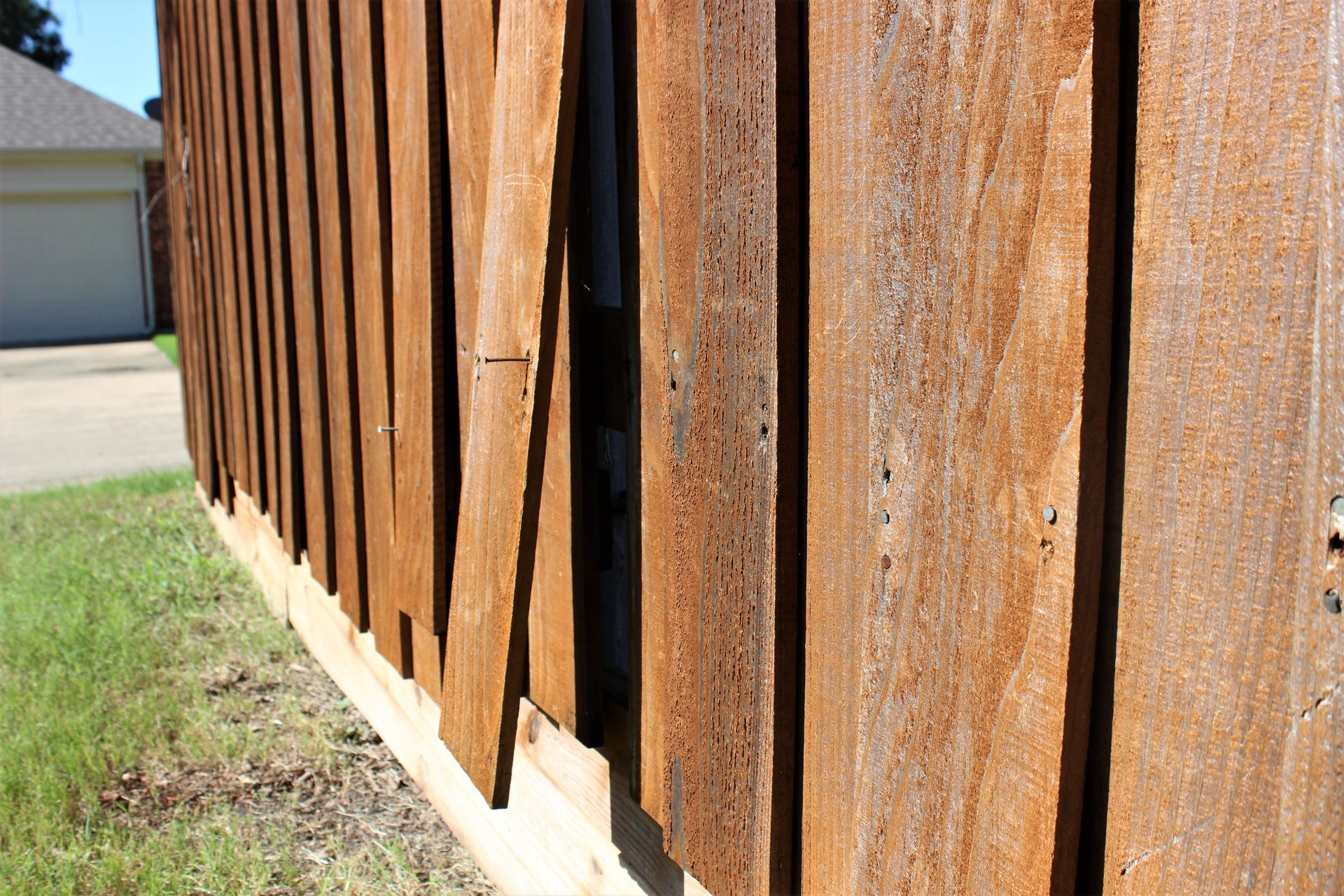
When fence sections lean after spring thaw or pickets split from sun exposure and moisture cycles, the structural problems only worsen until repairs address the underlying cause. Prime-Line Fencing evaluates wood, aluminum, ranch, and chain link fencing to identify whether damage stems from foundation failure, material degradation, or impact events common in mountain environments. You notice restored stability and improved appearance once compromised posts are reset, damaged panels are replaced, and connections are reinforced to handle ongoing weather exposure.
Timely repairs prevent minor damage from escalating into complete fence replacement, particularly when posts begin rotting at ground level or rails separate from mounting brackets. Leaning fences typically indicate frost heave has lifted posts out of proper alignment, while cracked or missing boards signal that wood has reached the end of its weather resistance without protective coatings. Chain link repairs often involve re-tensioning sagging fabric, replacing bent top rails, or resetting corner posts that have shifted under repeated impact.
Request an inspection and repair estimate to determine which sections require immediate attention and which can be maintained for extended service life.
How Fence Repair Addresses Common Damage Patterns
Repair work begins with determining whether damage affects only visible components or extends into the foundation system that supports the entire fence line. Surface repairs such as replacing cracked pickets or straightening bent aluminum sections restore appearance but do not address structural instability caused by failing posts or inadequate footings. Mountain weather accelerates wood decay in areas where moisture collects, particularly where horizontal rails contact vertical posts and water cannot drain freely.
After repairs are complete, fence sections remain vertical through freeze-thaw cycles, gates close without gaps or binding, and panels withstand wind pressure without flexing excessively. Wood components show consistent alignment without warping, aluminum posts return to plumb position, and chain link fabric maintains proper tension across the entire run. Ranch fencing repairs restore wire tension and replace damaged insulators if electrified systems are involved.
Repairs caused by accidental damage, such as vehicle impact or fallen trees, often require more extensive work than weather-related wear because force events bend posts below ground level and compromise concrete footings. Prime-Line Fencing assesses the full extent of structural damage before beginning repair work to avoid incomplete fixes that fail again within one season.
Answers to Frequent Service Questions
Customers throughout the mountain region ask similar questions about when repairs make sense versus full replacement.
How do I know if my fence needs repair or replacement?
Fences with isolated damage in one or two sections typically benefit from targeted repairs, while fences showing widespread rot, severe leaning across multiple posts, or material failure throughout the structure usually require replacement. An inspection reveals whether the majority of the fence retains structural integrity or has deteriorated beyond economical repair.
What causes fence posts to lean after winter?
Frost heave occurs when moisture in soil freezes and expands, lifting posts vertically before they settle at an angle once ground thaws. Posts set below the frost line with proper concrete footings resist this movement, while shallow installations shift repeatedly with each freeze-thaw cycle.
When should I schedule fence repairs in Dillon?
Repairs can proceed whenever ground conditions allow post work and temperatures permit adhesive or coating application, though spring scheduling addresses winter damage before further deterioration occurs. Delaying repairs through another winter often doubles the scope of work required the following year.
Can you match existing fence materials?
Matching wood species, stain color, and aluminum finishes depends on the age of existing materials and manufacturer availability, with older fences sometimes requiring custom color mixing to achieve visual consistency. New materials weather over time to blend with older sections, though initial color differences are often noticeable.
What gets included in a typical fence repair?
Repair scope varies from simply replacing damaged boards and resetting one or two posts to completely rebuilding entire sections with new posts, rails, and panels. The estimate specifies exactly which components require replacement and which remain serviceable, allowing you to understand what work actually takes place.
Prime-Line Fencing provides repair solutions that extend the working life of your existing fence while maintaining safety and appearance standards. Call us to schedule an on-site inspection and receive a detailed assessment of repair needs and associated costs.